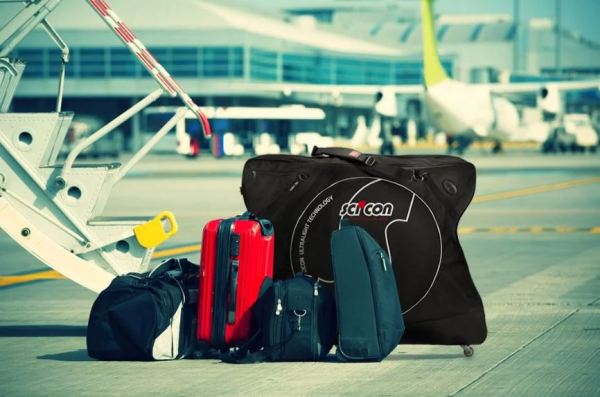
When flying to a race, most athletes focus on getting their gear there—but overlook a major factor that can impact performance: what happens to your body during travel.
Plasma Volume Drops During Flights
Research shows that just 1 hour of air travel can reduce plasma volume by up to 5%. On a 4–6 hour flight, this loss may be 10–15% if you don’t take countermeasures.
This matters because plasma volume = oxygen delivery, cardiac output, and thermoregulation. A drop in plasma can:
- Increase heart rate for the same effort
- Suppress HRV (a key recovery marker)
- Impair heat tolerance (critical for warmer races)
- Delay recovery and glycogen restoration
So what can you do?
The Travel-Day Game Plan for Peak Performance
Here’s a practical guide based on science-backed strategies to arrive fresh and ready to race:
1. Pre-Flight Hydration & Salt Loading
Start race prep before you even leave home:
- Drink 500 mL of water 90 minutes before flying
- Add electrolytes (e.g., SaltStick, LMNT, Precision Hydration)
- Eat a breakfast with carbs and sodium (e.g., oats, banana, peanut butter, plus electrolyte drink)
Goal: Arrive at the airport hydrated and sodium-replete to reduce early plasma loss.
2. In-Flight Essentials
- Hydrate every hour (aim for 200–250 mL water per hour)
- Use electrolytes in at least one bottle during the flight
- Avoid alcohol and limit caffeine to your normal morning dose
- Wear compression socks (20–30 mmHg) to reduce leg pooling and support circulation
- Get up and stretch every 45–60 minutes — even short walks help
- Do ankle pumps and seated calf raises to reduce fluid retention
3. Nervous System Support (for HRV)
- Use box breathing (4s inhale / 4s hold / 4s exhale / 4s hold) to activate parasympathetic recovery
- Listen to guided relaxation audio (Calm, Insight Timer, etc.)
- Avoid high cognitive load (don’t work on stressful tasks during the flight)
Travel stress impacts HRV more than we realize—stay calm, stay parasympathetic.
4. Upon Arrival
- Within 30 min: Drink 500–750 mL water with electrolytes + eat a light snack (carbs + salt)
- Walk for 30–40 min that afternoon—easy pace, just to restore circulation
- Optional: legs-up recovery (10–15 min) or a short dip in a pool (~20–24°C)
- Avoid hard sessions. If anything, a very short Zone 1 jog or ride (15–20 min) can help loosen legs
Proven Supplements for Travel Days
You don’t need a cabinet of pills, but a few smart options can help:
| Supplement | Purpose | When to Take |
|---|---|---|
| Electrolytes | Maintain hydration + plasma volume | Morning, during flight, after landing |
| Magnesium Glycinate | Calms nervous system, improves HRV & sleep | Evening after travel (200–400 mg) |
| Melatonin (1–2 mg) | If adjusting to light changes or struggling to sleep | 60 min before bed |
| Vitamin C / Zinc | Optional immune support during air travel | Once mid-day |
Rest Day or Light Movement?
Yes—a full rest day is fine. But a 30–40 minute walk is ideal:
- Aids circulation
- Restores fluid balance
- Boosts mood and nervous system recovery
Only run if your body really wants to—and keep it short, light, and easy.
Sleep is Your Superpower
- Aim for 8–9 hours of quality sleep the day before and after travel
- Use eye mask and keep the room cool (16–18°C)
- Avoid screens 60 minutes before bed
- Optional: short meditation or light reading before sleep
Travel Day Checklist
| Action | Notes |
|---|---|
| Hydrate early | Electrolytes + light breakfast |
| Compression socks | Wear from airport to hotel |
| Move during flight | Every hour |
| Eat light, salty snacks | Avoid junk and greasy food |
| Walk after landing | Light movement, not a workout |
| Legs-up / pool | Easy way to recover circulation |
| Magnesium at night | For recovery and sleep |
 TRAIN SMOOTH