How to Travel Smart for Race Day: Protecting Plasma Volume, HRV, and Recovery

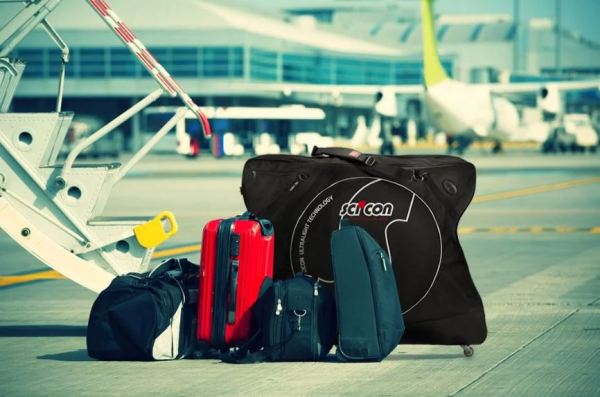
When flying to a race, most athletes focus on getting their gear there—but overlook a major factor that can impact performance: what happens to your body during travel.

Plasma Volume Drops During Flights

Research shows that just 1 hour of air travel can reduce plasma volume by up to 5%. On a 4–6 hour flight, this loss may be 10–15% if you don’t take countermeasures.

This matters because plasma volume = oxygen delivery, cardiac output, and thermoregulation. A drop in plasma can:

  • Increase heart rate for the same effort
  • Suppress HRV (a key recovery marker)
  • Impair heat tolerance (critical for warmer races)
  • Delay recovery and glycogen restoration

So what can you do?


The Travel-Day Game Plan for Peak Performance

Here’s a practical guide based on science-backed strategies to arrive fresh and ready to race:


1. Pre-Flight Hydration & Salt Loading

Start race prep before you even leave home:

  • Drink 500 mL of water 90 minutes before flying
  • Add electrolytes (e.g., SaltStick, LMNT, Precision Hydration)
  • Eat a breakfast with carbs and sodium (e.g., oats, banana, peanut butter, plus electrolyte drink)

Goal: Arrive at the airport hydrated and sodium-replete to reduce early plasma loss.


2. In-Flight Essentials

  • Hydrate every hour (aim for 200–250 mL water per hour)
  • Use electrolytes in at least one bottle during the flight
  • Avoid alcohol and limit caffeine to your normal morning dose
  • Wear compression socks (20–30 mmHg) to reduce leg pooling and support circulation
  • Get up and stretch every 45–60 minutes — even short walks help
  • Do ankle pumps and seated calf raises to reduce fluid retention

3. Nervous System Support (for HRV)

  • Use box breathing (4s inhale / 4s hold / 4s exhale / 4s hold) to activate parasympathetic recovery
  • Listen to guided relaxation audio (Calm, Insight Timer, etc.)
  • Avoid high cognitive load (don’t work on stressful tasks during the flight)

Travel stress impacts HRV more than we realize—stay calm, stay parasympathetic.


4. Upon Arrival

  • Within 30 min: Drink 500–750 mL water with electrolytes + eat a light snack (carbs + salt)
  • Walk for 30–40 min that afternoon—easy pace, just to restore circulation
  • Optional: legs-up recovery (10–15 min) or a short dip in a pool (~20–24°C)
  • Avoid hard sessions. If anything, a very short Zone 1 jog or ride (15–20 min) can help loosen legs

Proven Supplements for Travel Days

You don’t need a cabinet of pills, but a few smart options can help:

SupplementPurposeWhen to Take
ElectrolytesMaintain hydration + plasma volumeMorning, during flight, after landing
Magnesium GlycinateCalms nervous system, improves HRV & sleepEvening after travel (200–400 mg)
Melatonin (1–2 mg)If adjusting to light changes or struggling to sleep60 min before bed
Vitamin C / ZincOptional immune support during air travelOnce mid-day

Rest Day or Light Movement?

Yes—a full rest day is fine. But a 30–40 minute walk is ideal:

  • Aids circulation
  • Restores fluid balance
  • Boosts mood and nervous system recovery

Only run if your body really wants to—and keep it short, light, and easy.


Sleep is Your Superpower

  • Aim for 8–9 hours of quality sleep the day before and after travel
  • Use eye mask and keep the room cool (16–18°C)
  • Avoid screens 60 minutes before bed
  • Optional: short meditation or light reading before sleep

Travel Day Checklist

ActionNotes
Hydrate earlyElectrolytes + light breakfast
Compression socksWear from airport to hotel
Move during flightEvery hour
Eat light, salty snacksAvoid junk and greasy food
Walk after landingLight movement, not a workout
Legs-up / poolEasy way to recover circulation
Magnesium at nightFor recovery and sleep

Day to day nutrition

Following on from my last to articles with weight loss and nutrition for performance, this article will give examples for a day’s nutrition based around the kind of training you may be doing.

An overview of this

Day TypePre-TrainingDuringPost-Training (Breakfast or Dinner)Key Focus
Hard AM30–50 g CHO40–90 g CHO/hHigh carb + protein breakfastGlycogen & recovery
Aerobic AMMinimal or low CHO0–40 g CHO/hModerate carb + high protein breakfastFat adaptation
Hard PMSteady carbs all day40–90 g CHO/hProtein + carb dinnerMaintain performance
Aerobic PMNormal day foodOptional carbsProtein-focused dinnerRecovery overnight
DoubleLight pre-AM carbVariesRefeed between sessionsTotal daily intake
Long BikeBig carb breakfast60–90 g CHO/hHigh carb lunchGlycogen restoration
Long RunLight carb pre30–60 g CHO/hModerate carb breakfastGut tolerance & recovery

Let’s dive a little deeper into each day.

Hard Training Session in the Morning (Before Work)

Example: Bike intervals, threshold swim, or track session before breakfast.

Pre-Session (30–60 min before)

  • Goal: High carb availability for intensity, low fat/fibre for digestion.
  • Options:
    • 1 banana + 1 gel (≈45–50 g carbs)
    • 2 slices white toast + honey
    • Small bottle of sports drink (30–40 g carbs)

During:

  • 30–90 min hard: 40–60 g carbs/hour (sports drink or gels).
  • 90 min: 60–90 g carbs/hour (mix of glucose/fructose sources).

Post-Session (breakfast within 30 min):

  • Oats or rice flakes with protein powder + berries
  • 2 poached eggs + toast + fruit
  • 600–800 ml electrolyte drink

Lunch:

  • Chicken or salmon poke bowl with rice/quinoa + veggies
  • Add olive oil or avocado for healthy fats

Snack:

  • Greek yogurt + banana or smoothie (30–40 g carbs + 20 g protein)

Dinner:

  • Balanced recovery meal: lean protein + complex carb + salad
    • E.g. stir-fry chicken, rice noodles, mixed veg, soy sauce

Aerobic Training Session in the Morning (Before Work)

Example: 60–90 min Zone 2 ride or easy run.

Pre-Session:

  • Low–moderate carb availability:
    • Black coffee or small banana (optional).
    • Skip carbs completely if goal is fat-adaptation (train-low).

During:

  • Water or electrolyte drink; small carb intake if >90 min (20–40 g CHO/h).

Post-Session Breakfast:

  • Higher protein, moderate carbs:
    • Omelette + toast + fruit, or
    • Protein shake + oats + nuts.

Lunch & Dinner:

  • Normal balanced meals; add carbs if another session planned later.

Hard Training Session After Work

Example: Evening tempo run or VO₂ bike session.

Breakfast:

  • Normal: oats + berries + protein
    Lunch:
  • Rice bowl, wrap, or sandwich (60–90 g carbs + 30 g protein).
    Snack (2–3 h pre-session):
  • Banana + yogurt or small oats bar.
    Pre-Session (30 min):
  • 1 gel or sports drink (~25–40 g carbs).
    During:
  • 40–90 g CHO/h as needed.
    Dinner/Post:
  • Fast-digesting recovery meal (protein + carbs):
    • Stir-fried rice with egg and chicken, or
    • Smoothie + toast if late.

Aerobic Session After Work

Example: 60–90 min Zone 2 run or swim.

Breakfast/Lunch:

  • Normal balanced intake — aim for steady blood sugar.
    Pre-Session Snack:
  • Small carb + protein option (banana + yogurt or oats bar).
    During:
  • Water/electrolyte (carbs optional).
    Dinner/Post:
  • Protein-rich meal (helps overnight recovery):
    • Salmon + potatoes + veg, or
    • Lean beef + rice + salad.

Double Session Day (Morning + Afternoon)

Example: Swim AM + run PM, or bike AM + gym PM.

Pre-AM Session:

  • Small carb source (banana or gel).
    During:
  • Carb as needed for session type.
    Breakfast (post-session):
  • Rebuild glycogen quickly: oats or cereal + protein powder.
    Lunch:
  • Higher carb meal: rice bowl, pasta, or wraps.
    Pre-PM Session:
  • 1 small snack (banana + electrolyte drink).
    Post-PM Session (Dinner):
  • Protein + carbs + veg.
  • If early bedtime, add a casein-based protein snack (yogurt or shake) before sleep to aid overnight recovery.

No-Work Day: Long Bike Ride in the Morning

Example: 3–5 hr endurance ride.

Pre-Ride:

  • Larger breakfast (2–3 h before):
    • Oats + banana + honey + protein powder (≈100 g CHO).
      During Ride:
  • 60–90 g CHO/h (mixture of gels, chews, and sports drink).
    Post-Ride:
  • Immediate: Recovery shake (40 g CHO + 25 g protein).
  • Lunch: Big carb-focused meal (rice bowl, pasta, potatoes).
  • Dinner: Moderate carbs + quality protein.
  • Optional treat later in the day (don’t restrict too much — recovery day).

No-Work Day: Long Run in the Morning

Example: 90 min – 2 hr Zone 2 run.

Pre-Run:

  • 1–2 h before: light carb meal (1–2 slices toast + honey or banana).
    During:
  • 30–60 g CHO/h (gels or drink).
    Post-Run Breakfast:
  • Oats with whey protein + berries + electrolytes.
    Lunch:
  • Protein + carbs + veg (e.g., chicken wrap or rice bowl).
    Dinner:
  • Slightly higher fat meal; carbs moderate.
  • Optional: dessert or carb-top-up if you have a hard session the next day.

Carbohydrate Intake for Training

When you’re training for a triathlon, the mantra “fuel for the work required” couldn’t be more true. Carbohydrates (CHO) are the key fuel for moderate to high intensity work — but the how, when and how much matter just as much as the what. You want to avoid under-fueling (you’ll suffer performance, recovery and adaptation) and over-fueling (you’ll carry excess weight or blunt fat burning when desired). Let’s break it down.

1. Nutrition Prioritisation / Nutrition Periodisation

Often referred to in sports science as periodised nutrition, this is the strategic alignment of your nutrition (especially carbs) with training phases, session demands and adaptation goals. Biomedres+3NSCA+3worldathletics.org+3

In practice for a triathlete this means:

  • On high-intensity or key sessions: you prioritise high carbohydrate availability (to support performance and stress adaptation).
  • On lower-intensity or easy sessions: you might choose reduced carbohydrate availability (to promote metabolic flexibility, fat adaptation or recovery without excess CHO).
  • Across days/weeks: you vary carbohydrate intake in line with training load (micro-, meso- and macro-cycles). worldathletics.org+1

Why do this? Because your body responds differently depending on fuel availability. Training with low glycogen or reduced CHO can trigger adaptations (e.g., increased mitochondrial signalling) but it may compromise performance if used at the wrong time. BioMed Central

So your goal: match your carb availability to the work required — neither all high, nor all low.

2. Exogenous vs Endogenous Carbohydrates

  • Endogenous carbs = glycogen stored in your muscle and liver, plus circulating blood glucose. These are your internal carbohydrate stores.
  • Exogenous carbs = the carbohydrates you consume during exercise (or immediately before) via drinks, gels, bars, etc.

Why make the distinction? Because during training (especially long or high intensity), you’ll tap into endogenous stores and you can supplement with exogenous carbs to maintain blood glucose, spare muscle/liver glycogen and delay fatigue. Recent work has shown that exogenous carb oxidation (how fast the carbs you ingest are used) varies considerably between athletes. BioMed Central+2MDPI+2

For example: a 2025 proof-of-concept study found that some athletes could achieve peak exogenous oxidation with ~65 g/h of glucose rather than 90 g/h, without impairing performance—suggesting more isn’t always better for everyone. BioMed Central

3. How Much Carbohydrate Can You Oxidise?

Many athletes consume 120 g+ per hour, but the evidence suggests oxidation peaks around 90 g/h (for mixed carbs). The literature supports this: guidelines for prolonged exercise (>2.5 h) often cite up to ~90 g CHO/h as a “ceiling” for maximal exogenous oxidation in many athletes. NSCA+2BioMed Central+2

What does “extra” carbohydrate do (i.e., above what you oxidise)? Some plausible benefits:

  • It may support central nervous system (CNS) / brain fuel (glucose for brain activity, delaying central fatigue).
  • It may signal to the body “fuel is available” which may permit you to sustain higher output or delay fatigue.
  • It may help recovery post‐session by providing substrate for glycogen re-plenishment.

The evidence is still emerging: for instance a recent review described how carbohydrate supplementation influences glycogen storage, blood glucose and performance, and noted that the “extra” may not always yield proportional oxidation gains—it depends on individual capacity, gastrointestinal tolerance and session demands. MDPI

Therefore: consume enough carbs to match the work demand, train your gut to tolerate higher intakes if needed (e.g., for long rides/races), but recognise that blindly hitting super high numbers (e.g., 120 g/h) may not yield extra oxidation and may increase GI risk.

4. “Go Slow – Go Fast Fuel” Framework

A practical approach you use: match your type of fuel to session intensity and substrate-use.

  • Go Slow (Zones 1 & 2 / easy endurance): These sessions rely largely on the oxidative system—fat and low-intensity carb use. Carbohydrate intake during these sessions can be relatively modest. Example: you aim for ~40 g CHO/h on a long endurance ride (16 weeks out from race) and you might use slower‐releasing sources (oat bars, bananas) rather than fast sugar hits.
  • In Between (Zone 3 / moderate‐high tempo): This is a blend — carb requirement starts to increase, and you may shift from slow to a mix of slow + fast release carbs.
  • Go Fast (Zone 4+ / high intensity, interval, race work): These sessions are highly glycogen-dependent. Fast releasing carbs per hour (gels, sports drink, lollies) are appropriate to support high exertion and maintain intensity.

Putting the example in context: If your goal is 40 g CHO/h on an easy ride and an oat bar has ~20 g CHO, you could eat one every 30 min. On a high intensity session you may target 60-90 g CHO/h (or whatever your personalised max is), via faster carbs.

5. Practical Tips & Athlete-Wise Adjustments

  • Train your gut: If you plan to use high CHO/h in races, you must practise tolerating that during training (so your stomach and gut handle the load).
  • Match carbs to session length + intensity: Short easy spin → minimal carb. Long or intense session → higher carb.
  • Periodise across training blocks: In heavy load blocks, you might favour higher carbohydrate availability. In adaptation blocks (where you want metabolic stress) you might intentionally reduce CHO on selected sessions. But only if you can maintain training quality. BioMed Central
  • Use individualisation: As noted above, oxidation capacity varies. Start with guidelines (~30-60 g/h for 1-2.5 h sessions; up to ~90 g/h for >2.5 h) and adjust based on your performance, gut comfort, and how you feel. BioMed Central+1
  • Recovery matters: The carbs you take during and immediately after key sessions help replenish glycogen, repair, and adapt.
  • Be aware of fat vs carb trade-offs: At higher intensities your reliance shifts more toward carbs (“crossover effect”). NSCA

6. Common Mis-conceptions & Pitfalls

  • “More carbs = always better” — not true. If you overshoot your oxidisable capacity, you risk GI issues or unused carbs sitting in your gut or blood but not being used.
  • “Easy days don’t need any carbs” — you still need some carbs for recovery, brain fuel and training quality.
  • “Train low all the time to burn fat” — unless your goal is specific metabolic adaptation and you’re under coach supervision, constant CHO-restriction can negatively affect performance and adaptation. A meta-analysis found no overall performance benefit from chronic CHO restriction in endurance-trained athletes. BioMed Central

Weight Loss for Triathletes: How to Get Lean Without Losing Performance

When it comes to weight loss for triathlon, the goal isn’t just to see a smaller number on the scales — it’s to arrive at race day lighter, stronger, and performing at your best. The problem is, many athletes cut too hard, lose muscle mass, and end up slower, weaker, and fatigued.
Here’s how to get it right.

Over the coming weeks, I will release a number of articles on weight loss, fuel for training and give some day examples on diets. We will start off with weight loss.


1. Protect Your Muscle Mass at All Costs

Muscle is your performance engine. It drives your swim, bike, and run, and it’s what keeps your metabolism firing. Losing muscle while dieting is like taking cylinders out of a car engine — you’ll still move, but not as efficiently.

After 40, muscle becomes harder to gain. After 50, it’s difficult to rebuild, and by 70 it’s almost impossible. So protect it at all costs.
That means:

  • Strength training consistently — even if it’s just 2–3 short sessions per week.
  • Hitting your daily protein target (around 1.6–2.0g per kg of bodyweight is a good range).
  • Avoiding crash diets — rapid loss means muscle loss.

2. Your Food Should Taste Nice — But Not Too Nice

Sustainability is key. You need meals you actually enjoy, but not ones that are so delicious you can’t stop eating.
If your food tastes too good, you’ll overconsume. If it tastes too bad, you’ll quit. Aim for satisfying, simple, balanced meals that support your goals, not sabotage them.


3. Don’t Burn Carbs When You Don’t Need To

Your body will always prioritise burning carbohydrates when they’re available. So if you’re constantly topping up on carbs, you’ll rarely tap into stored fat.
The goal: train your body to burn fat when it should, and carbs when it needs to.
That means:

  • Save higher carb intake for around key sessions.
  • Keep easy days lower in carbs and higher in protein and vegetables.
  • Avoid snacking on carbs when sitting at a desk or watching TV.

4. Fix the Big Three Nutrition Mistakes

Most triathletes you’ll meet make the same three nutrition mistakes:

  1. They get enough carbs overall, but the timing is all wrong.
  2. They don’t get enough protein.
  3. They eat too much fat.

When athletes fix these — especially by timing carbs around training — weight often starts to drop without forcing it. You recover faster, perform better, and create a natural calorie deficit.


5. Master the Diet–Maintenance Cycle

When you finish a diet phase, you’re not done — you’re entering maintenance.
Your body needs time to stabilise before cutting again.
A good rule of thumb:

Spend half as much time maintaining as you did dieting.
So if you diet for 6 weeks, spend 3 weeks maintaining before starting the next phase.

For athletes with a large amount of weight to lose, this cycle keeps fatigue and hunger manageable. For example:

  • 6 weeks dieting → 3 weeks maintenance → repeat.
    Breaking it into blocks keeps you mentally fresh and physically stable.

6. Adjust Calories Based on Progress, Training, and Fatigue

Don’t set your calories once and forget them. Training load, fatigue, and adaptation all change your energy needs.
Apps like MyFitnessPal or Hexis can help track intake and identify whether you’re eating too much — or not enough to support recovery.


7. Use Caffeine Strategically

Caffeine is a powerful performance tool, but overuse dulls its effect.
Save it for when you really need it — especially toward the later stages of a diet, when fatigue is highest. A well-timed coffee before a key session or long ride can make all the difference.


8. Plan for Setbacks

You will mess up at some point. Everyone does. The key is how you respond.
If you eat something you shouldn’t, don’t say “bugger it” and spiral.
Just get straight back on track at the next meal. One bad choice doesn’t ruin progress — giving up does.


9. Decide Before

Know what you need before going to the shops, don’t walk around just looking. know what you will order before eating out. Look online at what the restaurant offers and make the decision before leaving the house.


Final Thoughts

Weight loss for triathletes is about consistency, not perfection. Protect your muscle, fuel your training, and be patient. If you manage the timing of carbs, hit your protein target, and stay disciplined without being extreme, you’ll not only look better — you’ll perform better too.

Durability for Ironman Triathletes

It has become a very big focus in pro cycling in recent years that coaches focus heavily on durability (fatigue resistance) and model a lot of the athlete’s training and nutrition around this principle.

An example of this would be early on in a ride complete a 5min all out effort followed by riding 3000 kilojoules of work while keeping power around 95% of LT1, then repeating the 5min all out effort again and analysing the power differences between the two 5min efforts. Ideally the coach is looking for a power fade between 0-3%.

We are starting to see this lean into triathlon but what and how to test for durability for Ironman athlete.

Bike Test:
4-5 hour ride with 6x 30min @ Ironman Power (70-75% of FTP or 95% of LT1)

Data to Collect:
• Average Power
• Heart rate
• Lactate test (if you own a lactate tester)

Analysis:
Comparing the following from the first interval to the last interval
• Power drift
• Heart rate drift
• Lactate drift

Cycling Durability Benchmarks:

Power Drift
• Good: < 3 % in average power

• Moderate: 3-5% drop in average power

• Poor: >8% drop in average power

Heart Rate Drift:
• Good: < 5% increase in heart rate

• Moderate: 5-8% increase in heart rate

• Poor: >8% increase in heart rate

Lactate
• Good: Within 0.5mmol/L of starting value
• Moderate: <1 mmol/L of starting value

• Poor: >1mmol of starting value

Run Test:
After warm up, 6x 2km @ race pace + 1km easy but staying in zone 2

Data to Collect:
• Average Pace
• Average Power (if you have a run power meter)
• Heart rate
• Lactate test (if you own a lactate tester)

Analysis:
Comparing the following from the first interval to the last interval
• Pace drift
• Power drift
• Heart rate drift
• Lactate drift

Running Durability Benchmarks:

Pace Drift
• Good: < 3 % in average power

• Moderate: 3-7% drop in average power

• Poor: >7% drop in average power

Power Drift
• Good: < 3 % in average power

• Moderate: 3-5% drop in average power

• Poor: >8% drop in average power

Heart Rate Drift:
• Good: <5% increase in heart rate

• Moderate: 5-8% increase in heart rate

• Poor: >8% increase in heart rate

Lactate
• Good: Within 0.5mmol/L of starting value
• Moderate: <1mmol/L of starting value

• Poor: >1mmol of starting value

Blog at WordPress.com.

Up ↑