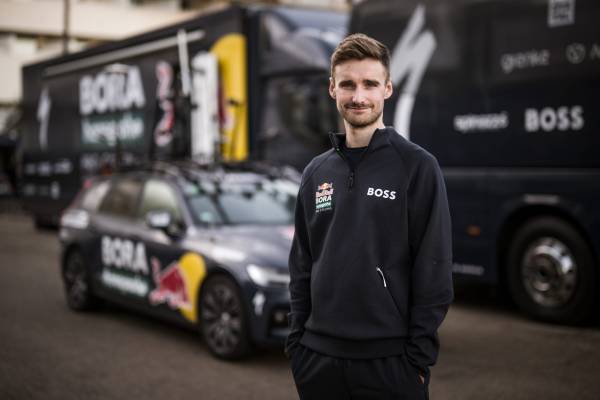
I have been a big fan of Dan Bigiham for awhile now and in fact I model a lot of Dan’s principles with my own coaching. When we are told to “reverse engineer” your gaols, what does this really mean?
Following on from my last post on “Money Ball for triathlon”, I again will use myself as an example for this so let’s take a look at using Dan Bigham “start at the end” approach for Ironman triathlons.
This is a high-performance experiment, so the detail will reflect that.
Target: Ironman Cairns 2026 – Sub 9:45 or 9:30 as a stretch goal
Conditions: ~ 25-28°C, humid, strong winds, rough swim, rolling bike and hot flat run
Step 1: Define the end point – What performance do you need?
Goal: 9:30 – 9:45 total time
Swim: (3.8km) 1:05 (stretch 1:00) within AG pack, low cost
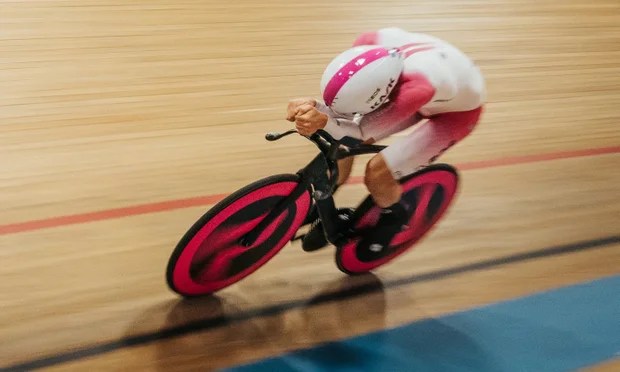
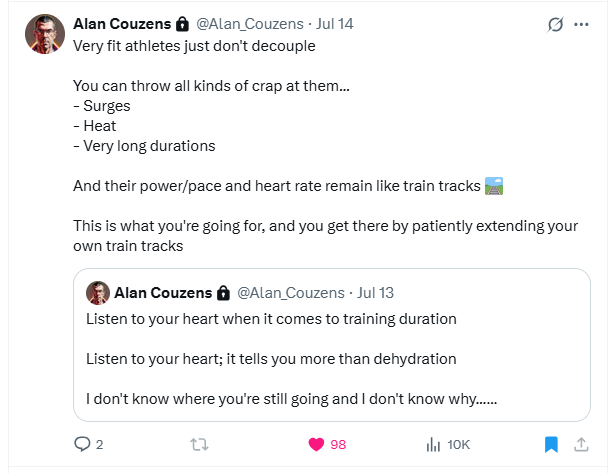
Bike: (180km) 4:55 – 5:05 NP of 220watts, focus on aerodynamics and decoupling
Run: (42.2km) 3:20 – 3:30 HR controlled, low fade
T1 + T2: 5-10min fast but calm
**** This sets the benchmark for all the backward planning ****
Step 2: What does that require physiologically?
Swim:
- Threshold pace: ~1:33/100m for a 1:00 swim
- Cadence goal: 36+ SPM, even stroke count
- High focus on form and drag minimization
Bike:
- Race: NP: 220w required LT2 ~310-320 watts for a 70% IF
- Bike Vi: <1:03, stay aero and even
- CdA goal ~0.220 or lower
- Caloric demand: ~3300–3600 kcal → high carb intake (120g/hr)
Run
- Race pace: ~4:50/km (3:24 marathon)
- HR: 145–150 bpm
- Substrate use: Must be able to burn fat efficiently at this pace
- Tolerate 90–100g/hr carbs
Step 3: Environmental Reality – Heat in Cairns
- Must mitigate core temp rise
- Clothing, pacing, and fuelling must all support thermoregulation
- Execute heat adaptation phase: 8–10 sessions 8 weeks out, then maintain
- Use CORE temp sensor in training if possible
Step 4: Reverse Engineer Each Segment
Swim Plan: Efficient, Calm, Controlled
Goal: 1:00–1:05 with low stress and great pacing
| Form-focused sessions | 2x/week technique blocks: high elbow catch, streamline drills |
| Cadence training | Tempo trainer sets to push from 70 SPM over 12 weeks |
| Pacing control | Every session includes some 10–15min race-pace steady-state swims |
| Race strategy | Start just behind front AG pack, draft smart, minimize contact |
| Equipment | Speed wetsuit + tinted goggles for Cairns sun, well-fitted goggles to avoid fog |
Bike Plan: Aero is King, Power is Secondary
Goal: 220W average, 0.220–0.225 CDA, <5% decoupling
Equipment and Aero
| Helmet | Aero helmet tested for yaw and head position stability |
| Suit | Light-colored, aero fabric suit tested in heat and wind tunnel (if possible) |
| Bike fit | Maximize comfort in aero for 5 hours: test pad stack, reach, tilt, saddle |
| Wheels | Rear disc (real or cover), 60–80mm front. Tire-rim match critical |
| Tires | GP5000 TT or S TR, latex tubes if legal, waxed chain |
| Hydration | Integrated aero bottle (between arms), rear storage for backup bottles |
Aero Testing Ideas
- Field test 3 positions with same power (160–200W) on closed loop
- Use Aerolab in GoldenCheetah or Chung Methodwith CDA estimator
- Target: CDA drop to ~0.220
Training
| Phase | Focus |
| Now–20 weeks out | High Z2 volume (FatMax 135 bpm), tempo strength (SE 60–80 rpm intervals) |
| 20–8 weeks out | Race-specific: 3–5h race-pace rides, 70% IF, aero lock-in |
| Last 8 weeks | Brick focus, long rides in race kit in heat, steady pacing + nutrition execution |
Run Plan: Durable, Controlled, Decoupled
Goal: 3:20–3:30 marathon, <5% pace fade, HR ceiling 150 bpm
| Run power + HR | Use Stryd to normalize pacing in wind/heat/slopes |
| Bricks | Run 10–15 km off 4–5 hr rides 2x/month from week 12 out |
| Durability | Long runs: 30–32 km w/ last 10k at race pace, ideally fatigued legs |
| Cooling | Practice ice down front/back, sponges, aid station strategies in bricks |
| Fueling | Must hold 90–100g carbs/hr in late race without GI distress |
Nutrition Strategy
| Pre-race | Carb load 10–12g/kg over 36–48 hrs; 1000 kcal pre-race breakfast |
| Bike | 110–120g/hr carbs (Maurten + sports drink + SaltStick), fluid every 10–15 min |
| Run | 90–100g/hr via gels, mix with sports drink and water. Practice in hot bricks |
| Backup | Carry CrampFix and salt caps; test gut tolerance in race bricks |
Heat Strategy (Critical for Cairns)
| 8-week heat prep | 2–3x/week sauna, hot bath, or indoor Z2 ride at 30°C |
| Last 2 weeks | Reduce volume, maintain heat exposure until 4–5 days out |
| Race day | Light kit, full sunscreen, ice sponges, aid station targeting |
| CORE temp sensor | Used to model training sessions + core temp rise vs power decay |
Training Load Strategy (CTL & TSS)
| Phase | Weekly TSS | CTL Target |
| Base | 900–1100 | Build from 130–150 |
| Build (20–10 weeks out) | 1100–1300 | Hit 160–170 |
| Peak (8–3 weeks out) | 1300–1500 | Peak at CTL 180+ (Swim 40 / Bike 80 / Run 50 / Strength 10) |
| Taper | 600–800 | CTL dips to 165–170 race week |
Mindset & Planning
Dan Bigham would:
- Test every assumption: aero, position, fueling, pacing
- Measure everything: power, HR, pace, temp, sweat rate, RPE
- Practice race day: gear, clothing, transitions, fueling, cooling
- Monitor fatigue & durability: decoupling, long-run pace, cardiac drift
Final Prediction Model
Let’s assume:
- CDA: 0.220
- Bike power: 220W
- Run pace: 4:55/km
- Decoupling: <5%
- Heat adaptation: complete
- Nutrition: fully practiced and absorbed
Result:
- Swim: 1:02–1:05
- Bike: 4:55–5:00
- Run: 3:25–3:35
- T1+T2: 6–8 minutes
Ironman Cairns Finish: 9:30–9:45

 TRAIN SMOOTH